Snooker is a game steeped in tradition, precision, and intense focus. Historically, the sport has been dominated by men, not only in terms of players but also officials. However, over the past few decades, female snooker referees have been gradually carving out a space for themselves, gaining recognition and respect in an arena once thought to be reserved for men. Their rise reflects broader changes in sports and society, emphasizing inclusivity, professionalism, and equality.
The Role of a Snooker Referee
A snooker referee plays a crucial role in ensuring the smooth and fair conduct of matches. At first glance, one might assume their responsibilities are limited to calling fouls or measuring shots, but the reality is far more intricate. Referees oversee the entire game, maintaining strict adherence to rules, handling equipment, and managing player conduct. They are the silent guardians of the sport, ensuring that every frame is played with fairness and integrity.
For female referees, this role carries additional weight. They often need to demonstrate exceptional competence to break stereotypes and earn the trust of players and audiences who may unconsciously doubt their abilities. It’s a position that demands not only technical skill and a deep understanding of snooker rules but also confidence, decisiveness, and excellent communication.
Moreover, referees are responsible for maintaining the atmosphere at the table. A misjudged call or hesitation can affect a player’s rhythm and, in turn, the outcome of a match. Female referees, like their male counterparts, train rigorously to ensure precision under pressure. Their dedication highlights the professionalism required to officiate at both local and international levels.
Challenges Faced by Female Snooker Referees
Breaking into a male-dominated sport comes with unique challenges. Female referees often face skepticism, bias, and occasionally overt discrimination. Even today, there are instances where their authority may be questioned solely based on gender. Such challenges can be discouraging, yet many women persist, driven by passion and a desire to prove that skill is not gender-specific.
Another challenge is the lack of role models. Until recently, female referees were few and far between, making it harder for aspiring officials to envision themselves in that role. Without visible representation, women interested in refereeing might question their chances of acceptance or advancement. Fortunately, as more women step into the spotlight, this dynamic is changing.
Physical endurance is also an understated challenge. A snooker match can last several hours, requiring referees to remain standing, focused, and composed for extended periods. female snooker referees While this is true for all referees, female referees have to deal with additional scrutiny, with audiences sometimes judging their stamina differently compared to their male peers.
Despite these hurdles, many female referees thrive, driven by a love of the game and a desire to contribute meaningfully. They often develop resilience, diplomacy, and quick decision-making skills, which are essential both on and off the table.
Prominent Female Snooker Referees
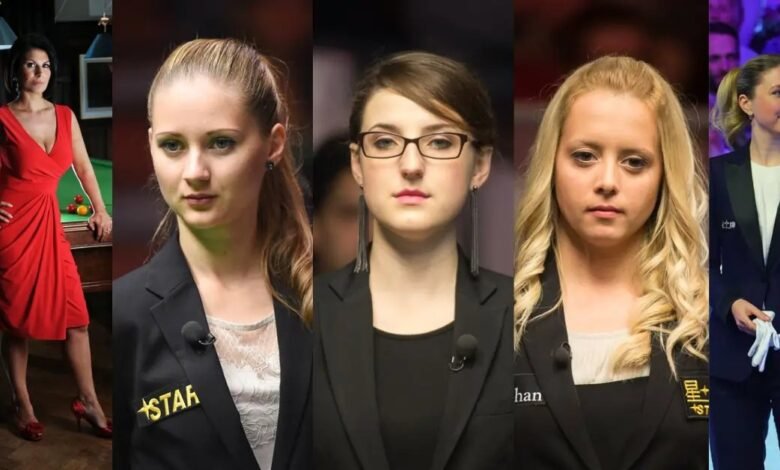
The rise of female referees has been marked by several trailblazers who have redefined the perception of women in snooker. One of the most notable figures is Maike Kesseler, a German referee who officiates at international tournaments and is highly respected for her precision and professionalism. Her presence at major events demonstrates that skill and expertise transcend gender.
Another prominent referee is Desislava Bozhilova from Bulgaria, who has gained recognition for her calm demeanor and ability to handle high-pressure matches. Her consistent performance has inspired many young women to consider refereeing as a viable career path in snooker.
These women, along with others in various countries, have not only officiated countless matches but have also mentored aspiring referees, helping to break the stereotype that snooker is a male-only domain. Their achievements are a testament to dedication, resilience, and an unyielding passion for the sport.
The Path to Becoming a Female Snooker Referee
Becoming a snooker referee requires rigorous training, knowledge of rules, and practical experience. Women interested in this career often start by officiating at local or club-level tournaments. This initial experience helps them develop confidence, understand tournament logistics, and handle real-time match situations.
Certification is another crucial step. Governing bodies like the World Professional Billiards and Snooker Association (WPBSA) offer structured programs that include rulebooks, practical examinations, and mentorship. Female referees, like their male peers, must pass these certifications to officiate at professional levels.
Continuous learning is also essential. Snooker rules can be updated, and referees must stay abreast of changes, including technological integrations like automated scoring systems and live streaming requirements. Female referees who succeed are often those who combine technical knowledge with excellent interpersonal skills, earning respect from players, officials, and audiences alike.
Networking and mentorship also play a significant role. Experienced referees often guide newcomers, offering advice on handling difficult players, making split-second decisions, and building confidence. For women, having mentors who have navigated similar challenges is particularly valuable, providing guidance in overcoming gender-specific obstacles in the sport.
The Impact of Female Referees on the Game
The presence of female referees has a profound impact on snooker, promoting diversity and challenging traditional norms. Their participation sends a powerful message that snooker is for everyone, not restricted by gender. This inclusivity encourages broader participation at all levels, from grassroots clubs to professional tournaments.
Female referees also bring unique perspectives to the game. While skill and rules knowledge are gender-neutral, communication style, empathy, and conflict resolution can vary, contributing to a more balanced and professional environment. Players often note that a referee’s composure and confidence can enhance the flow of a match, and female referees have consistently demonstrated these qualities.
Moreover, their visibility inspires the next generation of players, referees, and officials. Young women who see others succeeding in refereeing roles are more likely to pursue similar paths, gradually reshaping the landscape of snooker into a more equitable space. The ripple effect extends beyond refereeing, promoting gender equality throughout sports.
Breaking Stereotypes and Changing Perceptions
Snooker has long been seen as a male-centric sport, not just because of the players but also because of the support roles, including refereeing. Female referees challenge this perception, proving that authority and expertise are not determined by gender. Every well-officiated tournament contributes to breaking down biases and reshaping public opinion.
Media representation also plays a role. Coverage of tournaments now often highlights female referees, acknowledging their contributions and professionalism. Social media platforms allow fans to celebrate their achievements, further normalizing their presence in the sport.
As stereotypes fade, respect grows. Players increasingly recognize skill over gender, and audiences appreciate competence rather than assumptions. This transformation is slow but steady, creating a more inclusive and welcoming environment for all involved in snooker.
Encouraging More Women to Take Up Refereeing
To ensure the continued growth of female referees in snooker, initiatives are being introduced to encourage participation. female snooker referees Training programs specifically aimed at women, scholarships, and mentorship opportunities are gradually creating pathways for aspiring referees.
Clubs and associations also play a role by actively recruiting female referees for local tournaments. Early exposure helps women gain experience, build networks, and increase their confidence, preparing them for professional circuits.
Additionally, celebrating achievements and providing recognition is vital. Awards, media coverage, and acknowledgment in official communications validate the hard work and dedication of female referees. Recognition inspires both current referees and newcomers to persist in their careers despite obstacles.
Conclusion: The Future of Female Snooker Referees
The future looks promising for female snooker referees. With increasing awareness of gender equality and diversity in sports, more women are entering the field, and their contributions are being valued. International tournaments are witnessing higher representation, and governing bodies are supporting initiatives that promote inclusivity.
As technology evolves, refereeing is also becoming more dynamic, with digital tools assisting in scoring, replay analysis, and tournament management. Female referees who embrace these tools, combine them with their traditional skills, and continue networking will thrive in the modern snooker landscape.
Ultimately, female referees are not just participating—they are shaping the future of snooker. Their presence ensures that the sport evolves into a more professional, inclusive, and fair game for everyone, creating a lasting legacy for generations to come.