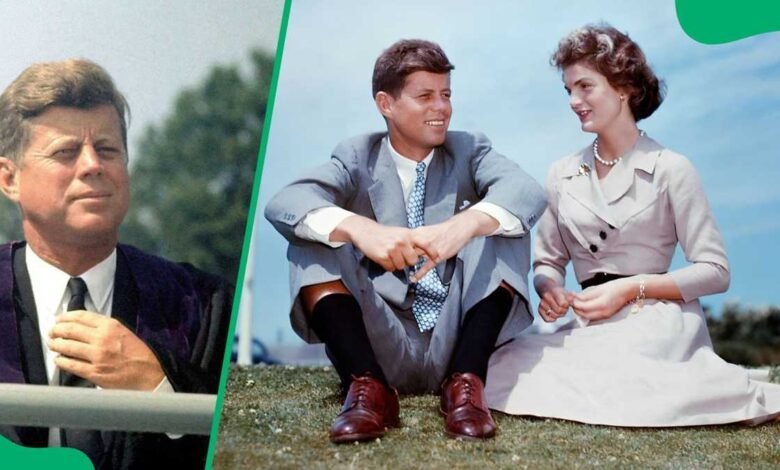
When people talk about the Kennedy family, they usually think of presidential speeches, historic moments, and the enduring glamour of Camelot. Yet behind the public triumphs and tragedies lies a quieter, deeply personal story—that of Arabella Kennedy. Though she never lived beyond infancy, her brief existence left a profound mark on her parents and shaped the emotional landscape of one of America’s most iconic families.
Arabella Kennedy was the stillborn daughter of John F. Kennedy and Jacqueline Kennedy Onassis. Born in 1956, before her father became President of the United States, Arabella’s life unfolded entirely out of public view. Yet understanding her story gives us a more intimate look at the Kennedys—not as political legends, but as parents coping with heartbreak.
In this article, we’ll explore Arabella Kennedy’s brief life, the emotional context of her birth and death, how it influenced the Kennedy family, and why her memory still resonates decades later. While she may not be as widely known as her siblings, her story is essential to understanding the full arc of the Kennedy legacy.
The Birth of Arabella Kennedy: A Private Tragedy Before the Presidency
Arabella Kennedy was born on August 23, 1956, in Newport, Rhode Island, during a period when John F. Kennedy was serving as a U.S. Senator from Massachusetts. At the time, the couple was already familiar with the pressures of public life, but they had not yet entered the White House years that would immortalize them in American history.
Jacqueline Kennedy had previously suffered a miscarriage in 1955. When she became pregnant again in 1956, hope and anxiety likely mingled in equal measure. Tragically, Arabella was stillborn. The loss was devastating for the young couple. In an era when stillbirths were often kept private and rarely discussed publicly, the tragedy remained largely shielded from media attention.
The name “Arabella” was reportedly chosen by Jacqueline Kennedy. Some historians suggest that John F. Kennedy later mentioned the name in correspondence, indicating that the baby had been given an identity and was deeply loved, even though she never had the chance to live outside the womb. Unlike many public figures who might have avoided discussing such pain, JFK privately acknowledged the emotional weight of the loss.
At the time, Kennedy was recovering from major back surgery, and Jacqueline was navigating the emotional and physical toll of pregnancy and loss largely on her own. The couple’s grief unfolded quietly, without the national spotlight that would later follow every aspect of their lives. In many ways, Arabella’s brief existence belongs to a pre-Camelot chapter—a chapter marked more by vulnerability than glamour.
Grief, Resilience, and the Kennedy Family’s Growing Legacy
The loss of Arabella Kennedy did not occur in isolation. It was part of a series of personal trials that shaped the Kennedys’ approach to family and public life. After Arabella’s stillbirth, Jacqueline and John went on to have four children, though only two would survive into adulthood.
In 1957, they welcomed Caroline Kennedy. A few years later, John F. Kennedy Jr. was born in 1960, just weeks after his father won the presidential election. These births were moments of joy and renewal, yet the shadow of earlier losses never entirely disappeared. In 1963, the couple would face another devastating blow with the premature birth and subsequent death of their son Patrick Bouvier Kennedy.
For Jacqueline Kennedy, the repeated experience of pregnancy loss and infant death shaped her deeply. Friends and historians often describe her as protective, reserved, and intensely devoted to her surviving children. While the public saw elegance and poise, those close to her understood the quiet resilience forged by personal grief.
John F. Kennedy, too, was affected in ways that were less publicly visible. Known for his charm and political confidence, he also carried a profound sense of responsibility toward his family. Some biographers argue that the tenderness he displayed with children, both his own and others, was sharpened by the fragility he had experienced firsthand. The joy he radiated while playing with Caroline and John Jr. may have been heightened by the knowledge of how easily such moments could be lost.
Arabella’s death was the first chapter in a series of intimate sorrows that would humanize the Kennedy myth. Far from diminishing their public strength, these private tragedies arguably deepened their empathy and sense of perspective.
Arabella Kennedy and the Shadow of Camelot
When John F. Kennedy assumed the presidency in 1961, the nation became captivated by what came to be known as “Camelot.” The youthful president, his stylish wife, and their young children created an image of vitality and hope. The White House felt less like a distant institution and more like a family home.
Yet behind this carefully curated image of optimism lay memories of loss. Arabella Kennedy was not publicly discussed during the White House years, but she remained part of the family’s history. The contrast between the public celebration of youth and the private memory of a stillborn daughter adds a poignant layer to the Camelot narrative.
The Kennedys’ experience with Arabella also foreshadowed later heartbreak. In August 1963, Patrick Bouvier Kennedy was born prematurely and died two days later. The president and first lady, now under intense media scrutiny, were forced to grieve publicly. arabella kennedy The nation watched as they mourned their infant son. For those aware of Arabella’s earlier death, Patrick’s passing felt like a reopening of old wounds.
Arabella was eventually laid to rest at Arlington National Cemetery alongside her father and brothers. The decision to reinter her there decades later symbolized her enduring place within the family story. Though she never lived beyond birth, she became part of the Kennedy lineage in both memory and resting place.
Camelot often evokes images of state dinners, cultural initiatives, and stirring speeches. But it is incomplete without acknowledging the quieter, sorrowful threads woven into its fabric. Arabella Kennedy’s story reminds us that even in the most celebrated chapters of American history, there are unseen moments of heartbreak.
Why Arabella Kennedy’s Story Still Matters Today
In modern discussions about reproductive health, infant loss, and maternal well-being, Arabella Kennedy’s story feels unexpectedly relevant. Today, conversations around stillbirth are more open, supported by advocacy groups and medical research. In the 1950s, however, such losses were frequently endured in silence.
Jacqueline Kennedy’s experience mirrors that of countless women of her generation who were expected to grieve privately and move forward without public acknowledgment. By revisiting Arabella’s story, historians and readers alike gain insight into the emotional realities that shaped one of the 20th century’s most admired women.
There is also a broader cultural significance. The Kennedy family has long been viewed through a lens of myth and symbolism. Triumph and tragedy seem to follow them in equal measure. Arabella’s brief life adds nuance to that narrative. She was not part of a political drama or a national crisis; she was a child deeply wanted and quietly mourned.
Moreover, her story invites reflection on how we remember those who never had the chance to live fully. Memorial practices have evolved significantly since the 1950s. Today, families often hold ceremonies, create keepsakes, and speak openly about their loss. arabella kennedy In honoring Arabella Kennedy, we recognize not only her place in a famous family, but also the universal experience of parental grief.
Ultimately, Arabella Kennedy’s significance lies not in political consequence, but in emotional truth. Her life—though measured in months rather than years—shaped her parents in ways that influenced their public and private identities. She reminds us that history is not only made in speeches and elections, but also in hospital rooms and moments of silent heartbreak.
Conclusion: The Enduring Legacy of a Life That Never Fully Began
It may seem paradoxical to speak of legacy in relation to someone who never lived beyond birth. Yet Arabella Kennedy’s legacy is deeply intertwined with the resilience and humanity of her parents. Her story offers a rare glimpse behind the polished exterior of one of America’s most scrutinized couples.
For scholars and enthusiasts of American political history, understanding Arabella’s place in the Kennedy timeline provides emotional context. The optimism of the early 1960s did not emerge from a vacuum. It was forged in part by personal trials that strengthened the resolve of both John and Jacqueline.
For admirers of Jacqueline Kennedy in particular, Arabella’s story highlights the strength beneath her composure. Often celebrated for her fashion sense and cultural contributions, she was also a mother who endured repeated losses with grace and dignity. Her quiet endurance became part of her enduring mystique.
In the end, Arabella Kennedy represents something profoundly human within an otherwise mythologized dynasty. She was not a symbol of political ambition or national aspiration. She was a daughter, loved before she was born, and mourned long after. By remembering her, we bring balance to the Kennedy story—acknowledging not just its brilliance, but also its fragility.
Arabella Kennedy may not appear in history textbooks with the same prominence as her father or siblings, but her presence is felt in the emotional undertones of the Kennedy era. And sometimes, it is these quiet, nearly forgotten lives that tell us the most about the people we think we already know.