Modernization sounds exciting in strategy decks and conference reports. The reality inside many companies feels less polished. Teams often inherit software built twenty years ago, maintained by different developers, connected to outdated databases, and barely documented. At that point, modernization stops being a clean technical project and turns into an investigation. Every missing note, unclear process, and forgotten dependency slows progress and raises costs.
Why Documentation Matters More Than Most Teams Expect?
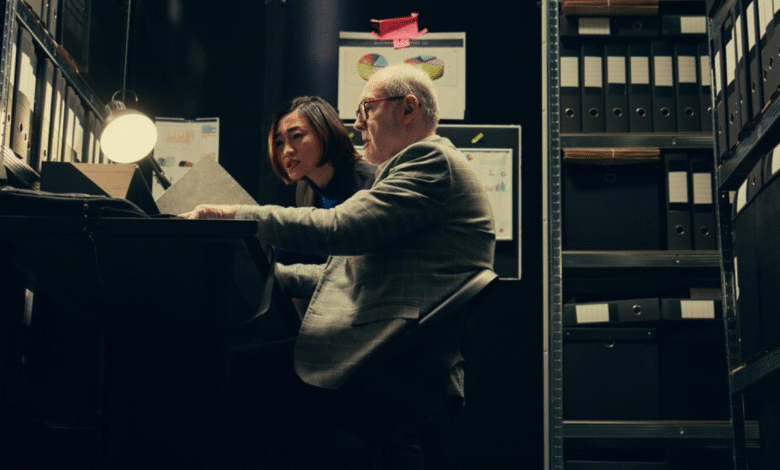
Legacy systems rarely fail because the code is old alone. Problems usually start when nobody fully understands how the environment behaves in production. Documentation acts as operational memory. Without it, engineers spend weeks reading source code, testing assumptions, and interviewing former employees.
A modern engineering team can work with old technology when knowledge still exists. Trouble begins when information disappears through resignations, mergers, or years of rushed updates.
Hidden Dependencies Create Expensive Surprises
Many legacy platforms communicate with external services, internal tools, scheduled jobs, and databases created years earlier. Some integrations were added quickly during urgent business situations and never formally recorded.
Developers modernizing the platform may discover undocumented API calls, hardcoded credentials, or overnight batch processes only after migration work starts. That situation increases downtime risks and forces project managers to rebuild schedules repeatedly.
Business Logic Often Lives Inside People’s Heads
In older environments, undocumented rules frequently survive through conversations instead of written records. A finance application may calculate taxes differently for one customer group. A logistics platform may reject orders under conditions nobody documented properly.
When experienced employees leave, their operational knowledge disappears with them. New teams inherit software behavior without understanding the reasoning behind it. Modernization becomes slower because engineers cannot safely separate useful functionality from outdated processes.
The Real Cost Of Missing Knowledge
Lack of documentation creates technical and financial pressure at the same time. Companies usually notice the budget impact first, although operational risks are often more serious.
Delays Become Normalized
Modernization projects depend on predictable planning. Missing information destroys predictability almost immediately. Teams estimate one month for migration work and later discover unknown services requiring additional testing.
That cycle repeats constantly in poorly documented environments. Engineers stop trusting initial timelines, executives lose confidence, and frustration grows across departments.
Security Risks Grow Quietly
Legacy systems frequently contain forgotten administrator accounts, unsupported libraries, and outdated authentication flows. Weak documentation makes security reviews harder because nobody can confidently map the entire environment.
During modernization, teams sometimes move vulnerable components into new infrastructure simply because they were unaware of hidden weaknesses. That creates long term exposure instead of reducing risk.
Why Reverse Engineering Takes So Much Time?
When documentation disappears, teams often rely on reverse engineering. That process involves analyzing existing applications to understand behavior, architecture, and data flows.
Reverse engineering sounds manageable during planning meetings. In practice, it demands patience, testing, and deep technical experience.
- developers inspect logs, database structures, and integration patterns searching for operational details;
- analysts compare production behavior with business expectations, identifying hidden workflows and outdated logic;
- infrastructure teams monitor traffic patterns, helping identify unknown dependencies across servers and applications.
This work delivers value, though it also consumes time supporting actual modernization efforts.
Modernization Without Documentation Feels Reactive
Organizations often believe migration tools alone will solve legacy problems. Automated scanners and cloud platforms help, yet they cannot replace missing business context.
A migration platform may transfer workloads into modern infrastructure while preserving inefficient workflows and unstable dependencies. Teams then inherit a newer environment carrying old operational confusion.
That reality explains why many companies combine technical upgrades with documentation rebuilding initiatives. Reconstructing institutional knowledge creates stronger foundations for future development.
In many projects, specialists handling Legacy Software Modernization begin by mapping architecture, workflows, and operational risks before changing production systems. That approach reduces uncertainty and helps leadership make informed decisions during migration planning.
The Human Side Of Legacy Knowledge
Technical conversations around modernization often ignore emotional factors inside organizations. Long term employees may feel protective toward systems they maintained for years. Others may worry about exposing undocumented shortcuts used to keep operations running.
Informal Knowledge Still Has Value
Some undocumented practices exist because teams adapted quickly to changing business needs. Those adjustments may look messy technically while still supporting valuable operational goals.
Strong modernization strategies separate temporary workarounds from genuinely useful business behavior. That balance prevents unnecessary disruption during migration.
Building Better Documentation Habits
Modern engineering culture increasingly treats documentation as part of software delivery instead of optional administrative work. Future modernization projects depend on today’s operational clarity.
Teams creating sustainable environments usually focus on several habits:
- updating architecture notes during deployments instead of months later;
- recording integration changes immediately after releases;
- documenting business rules in plain language understandable for technical and nontechnical teams.
Those practices reduce future migration risks while improving collaboration across departments.
Conclusion
Legacy modernization becomes harder when institutional knowledge disappears. Missing documentation slows engineering work, increases security exposure, complicates planning, and weakens decision making. Companies investing in documentation rebuilding early usually experience smoother migrations and fewer operational surprises later.
You do not need perfect documentation before modernization starts. You do need reliable visibility into how systems behave, why workflows exist, and where the biggest operational dependencies live. That knowledge gives engineering teams confidence, helping modernization move forward with fewer setbacks.