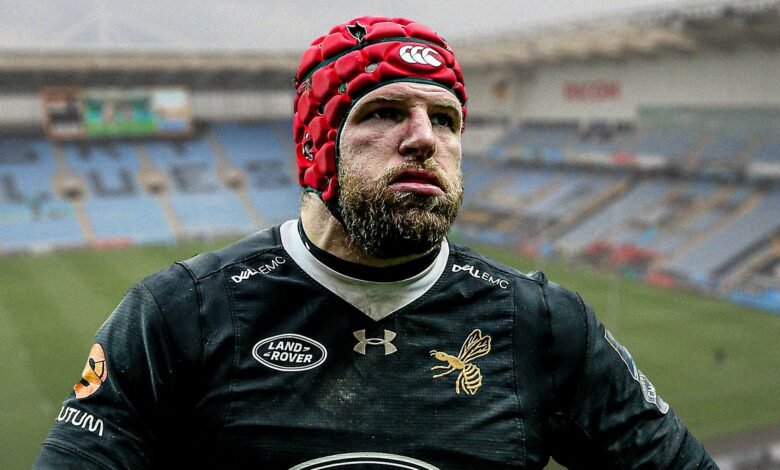
James Haskell: Rugby Career, Business Ventures, and Life Beyond the Pitch
When you hear the name James Haskell, the immediate image is often one of formidable physicality on the rugby pitch. For over a decade, he was a relentless presence in the back row for England, Wasps, and other elite clubs, embodying the spirit of a modern rugby enforcer. However, to define James Haskell solely by his athletic career is to miss the broader, more compelling narrative. Since retiring from professional rugby, he has orchestrated a masterclass in personal rebranding, evolving into a successful entrepreneur, influential fitness expert, bestselling author, and engaging media personality.
This article delves deep into the multifaceted world of James Haskell, moving beyond the try-line to explore the drive, strategy, and intellect that powered his on-field success and now fuels his off-field ventures. We will examine his rugby philosophy, his transformative approach to athlete conditioning, his savvy business portfolio, and his candid insights on mental resilience. Our journey will provide a comprehensive portrait of a man who has deliberately and successfully built a second act, ensuring his impact extends far beyond the final whistle of his playing days.
Introduction: The Engine of a Modern Athlete
The story of James Haskell is not a simple linear tale of sporting achievement. It is a study in intensity, adaptation, and entrepreneurial spirit. On the field, he was known for his uncompromising physicality, work rate, and leadership—qualities that earned him 77 caps for England and made him a cornerstone of every team he played for. He operated at the sharp end of the game, a flanker whose primary duties involved confrontation: winning turnovers, making dominant tackles, and carrying the ball into the heart of the defense.
Yet, even during his playing peak, there were glimpses of the polymath to come. He was known for his meticulous preparation, an early adopter of advanced recovery techniques and specialized strength training long before they became standard practice. This forward-thinking approach to his own physiology hinted at a mind constantly analyzing, optimizing, and seeking an edge. It was this same mindset that, upon retirement, allowed him to deconstruct his identity as “just a rugby player” and rebuild it as a portfolio of interconnected passions and professions. The discipline required to reach the pinnacle of international sport became the foundational engine for his business ventures, media work, and fitness advocacy.
The Rugby Philosophy of James Haskell: An On-Field Blueprint
James Haskell’s rugby career was built on a foundation of raw physical power, but it was sustained by a sophisticated and relentless rugby intellect. He understood his role as a back-row forward not merely as a series of tasks, but as a strategic function essential to team success. His philosophy centered on dominance at the breakdown—the contested area after a tackle—where games are won and lost. He approached each ruck as a personal battle, focusing on body positioning, legal precision, and explosive power to secure or turnover possession.
This technical mastery was coupled with an unparalleled engine. Haskell’s fitness levels were legendary, allowing him to maintain his defensive line speed and offensive support lines deep into the final quarter of matches. He modeled his game on being a constant disruptive presence, a player who could single-handedly shift momentum through a decisive hit or a crucial steal. For aspiring players and coaches, studying James Haskell’s performances offers a masterclass in the blend of technique, conditioning, and unwavering mindset required for the modern collision sports.
- Key Takeaway: James Haskell’s on-field success was a product of combining brute-force physicality with a deeply analytical understanding of rugby’s technical dark arts, particularly at the breakdown.
Defining the Modern Flanker Role
In rugby union, the flanker is a loose forward position requiring a hybrid skillset of a tackle-machine, a ball-carrier, and a breakdown specialist. A player like James Haskell epitomized the modern evolution of this role. He needed the strength of a forward to engage in set-pieces like scrums and lineouts, yet also possessed the mobility and ball-handling skills often associated with backs. His primary duties involved being the first defender to the ruck, making dominant tackles in the wider channels, and providing a reliable, gain-line-breaking carrying option for his team. This position demands not just athleticism, but a high rugby IQ to read play patterns and anticipate opposition moves.
Lessons in Leadership and Resilience
Beyond the technical, James Haskell exemplified a particular brand of leadership. It was not always the loudest voice, but often the most consistent action. His resilience in overcoming injuries—including significant knee and foot problems—demonstrated a mental fortitude that complemented his physical attributes. He approached rehabilitation with the same obsessive focus he applied to training, viewing setbacks as structured problems to be solved. This resilience translated into match-day performance, where his ability to play through pain and maintain performance standards set a powerful example for teammates. His career stands as a case study in prolonged high-performance under extreme physical duress.
- Key Takeaway: Haskell’s value extended beyond statistics, embodying a form of actionable leadership through consistent performance and a resilient, process-driven approach to overcoming physical adversity.
The Haskell Fitness Methodology: Building Athletic Durability
If his rugby philosophy was his blueprint, then James Haskell’s approach to fitness and conditioning was the machinery that brought it to life. Transitioning from player to fitness entrepreneur, he has distilled his two decades of elite athletic preparation into a coherent methodology accessible to the public. The core of the “Haskell” fitness philosophy is not about bodybuilding for aesthetics, but about constructing athletic durability—building a body that is powerful, resilient, and capable of handling real-world and sporting stressors.
His training principles emphasize functional strength, hybrid conditioning, and meticulous recovery. Functional strength focuses on compound movements that mimic athletic actions—like deadlifts, squats, and weighted carries—rather than isolated muscle work. Hybrid conditioning blends traditional strength training with high-intensity metabolic work to build an engine that can sustain output, much like his own famed rugby fitness. Perhaps most critically, he champions recovery as an active, non-negotiable component of training, incorporating mobility work, targeted stretching, and modern modalities like percussion therapy.
- Key Takeaway: The James Haskell fitness methodology prioritizes building a robust, resilient physique through functional strength, hybrid conditioning, and an elevated focus on systematic recovery.
A Case Study in Athletic Longevity
A hands-on example of his methodology in practice can be seen in his own career maintenance. During the latter stages of his playing days, James Haskell famously incorporated unconventional training tools and recovery protocols to manage wear-and-tear. He utilized strongman training implements like yoke walks and sandbags to build foundational strength without the joint stress of heavy barbells. His recovery routine often included twice-daily mobility sessions, contrast water therapy, and extensive use of foam rolling and massage guns. This proactive, holistic approach is credited with extending his peak performance years, allowing him to compete at the highest level well into his thirties in a sport that notoriously wears players down. Aspiring athletes can learn from this integrated view, where training and recovery are two sides of the same coin.
The Business of Fitness: Haskell XV and Supplementation
Leveraging his expertise, James Haskell has successfully commercialized his fitness knowledge. His venture, Haskell XV, serves as the flagship for his training programs, apparel, and educational content. He has also navigated the competitive world of sports supplementation with his own product line. In this space, he emphasizes transparency and efficacy over marketing hype, often educating his audience on what supplements are actually useful versus which are superfluous. His foray into fitness business shows a clear understanding of his audience—predominantly men interested in practical, no-nonsense strength and conditioning advice—and delivers products and programs that align with his established, trusted philosophy.
- Key Takeaway: Haskell has effectively translated his elite athletic experience into a credible fitness brand, focusing on practical education and quality products that reflect his training principles.
Entrepreneurship and Media: Crafting a Life After Sport
The transition from professional sports is a notoriously difficult pivot, fraught with identity crises and financial uncertainty. James Haskell has approached this challenge with the strategic forethought of a seasoned entrepreneur. He did not wait for retirement to plan his second act; he began building parallel tracks during his playing career. This foresight is a critical lesson for any professional athlete. His business interests are diverse but interconnected, often revolving around his personal brand pillars of fitness, entertainment, and candid self-development.
His media presence is a significant component of this entrepreneurial ecosystem. Co-hosting the successful “The Good, The Bad & The Rugby” podcast, he tapped into the public’s deep appetite for insider sports perspectives delivered with humor and unfiltered honesty. This platform not only maintains his connection to the rugby world but also showcases his personality, broadening his appeal beyond pure sports fans. Furthermore, his ventures into television, from reality shows to sports punditry, demonstrate a calculated effort to control his narrative and expand his reach into mainstream entertainment.
- Key Takeaway: James Haskell’s post-rugby success stems from pre-meditated entrepreneurial diversification, using media platforms like podcasts to maintain relevance and build a relatable, multi-dimensional public persona.
The Portfolio Approach to Post-Career Income
A closer look at James Haskell’s ventures reveals a smart portfolio approach. He doesn’t rely on a single income stream. This portfolio includes:
- Media & Entertainment: Podcasts, television appearances, punditry.
- Fitness & Lifestyle: Haskell XV brand, training programs, supplementation.
- Authorship: Bestselling books on fitness and mental resilience.
- Public Speaking: Corporate and motivational speaking on performance and teamwork.
- Brand Partnerships: Selective endorsements that align with his image.
This diversification mitigates risk and allows him to leverage his expertise across different markets. It’s a model that other professionals, athletes or otherwise, can learn from: building a career around a core set of skills and values, but expressing them through multiple channels.
The Azeem Rafiq Story: Beyond the Headlines – A Comprehensive Guide to Cricket’s Watershed Moment
Authenticity as a Brand Strategy
A cornerstone of James Haskell’s media and business success is a cultivated, yet seemingly authentic, bluntness. He speaks openly about the challenges of retirement, the importance of mental health, and the realities of business failures alongside successes. This vulnerability, paired with his confident persona, fosters a strong sense of trust and relatability with his audience. In an age of highly curated social media personas, his willingness to discuss struggles—from rugby losses to business learning curves—resonates deeply. It transforms his brand from a mere endorsement vehicle into a community built on shared growth and honest conversation.
- Key Takeaway: Haskell’s entrepreneurial edge is sharpened by strategic diversification and a brand strategy rooted in perceived authenticity and relatable vulnerability.
Mental Resilience and Public Advocacy
Behind the entrepreneurial drive and physical prowess, James Haskell has become a vocal advocate for mental resilience and men’s mental health. His perspective is not that of a clinician, but of a high-performance individual who has faced intense pressure, public scrutiny, and the existential void that follows a defining career’s end. He uses his platform to normalize conversations around psychological struggle, emphasizing that mental fitness requires the same deliberate training as physical fitness.
He often discusses the concept of “controlling the controllable,” a mindset borrowed from sport that is applicable to all life’s challenges. This involves focusing energy on one’s own preparation, effort, and attitude, while accepting that external factors—opponent form, referee decisions, market fluctuations—are beyond direct control. By framing mental resilience as a series of trainable skills like discipline, perspective, and stress management, he makes a daunting subject accessible and actionable for his audience. His advocacy helps dismantle the stigma that seeking strength of mind is somehow antithetical to traditional masculinity.
- Key Takeaway: James Haskell champions mental resilience as a trainable skill set, using his experience with high-pressure sports to provide a practical, stigma-reducing framework for mental well-being.
The Discipline of Routine
A practical insight into his approach to mental resilience is his sanctification of routine. James Haskell frequently attributes his ability to handle chaos to his commitment to daily structure. For him, a non-negotiable morning routine—often involving hydration, meditation or reflection, and physical movement—sets a tone of discipline and accomplishment for the day. This self-imposed structure acts as an anchor, providing stability during periods of uncertainty or stress, such as injury rehabilitation or business challenges. It’s a tangible strategy he offers: building mental fortitude starts with mastering the small, repeatable disciplines of daily life.
Navigating Public Perception and Setbacks
His career has not been without controversy or missteps, from on-field disciplinary issues to the occasional public relations friction. How James Haskell has addressed these moments is instructive. Generally, he adopts a stance of ownership and forward momentum. Rather than dwelling defensively, he acknowledges errors, extracts lessons, and focuses on the next action. This approach mirrors an athlete’s response to a lost game: analyze the tape, identify flaws, then immediately orient training toward improvement. It demonstrates a resilient mindset that views failure not as an identity, but as feedback—a necessary part of the growth process in sport, business, and life.
- Key Takeaway: Haskell models resilience through a commitment to foundational daily routines and a forward-facing philosophy that treats public setbacks as learning opportunities rather than defining failures.
Comparative Analysis: The Player vs. The Personality
To fully appreciate the transformation of James Haskell, it is useful to contrast his primary identities. The table below highlights the key distinctions and surprising synergies between his life as an elite rugby player and his current status as a multimedia entrepreneur and personality.
| Aspect | James Haskell: The Rugby Player | James Haskell: The Entrepreneur & Personality | Synergy & Through-Line |
|---|---|---|---|
| Primary Arena | Rugby pitch, training ground, dressing room. | Media studio, business meeting, podcast booth, gym floor. | Both are performance environments requiring preparation and presence. |
| Core Metric of Success | Match wins, trophies, tackles made, turnovers won, caps earned. | Business growth, audience reach, brand authority, product quality. | A shift from collective, statistically measurable outcomes to individual-brand and commercial metrics. |
| Primary Skillset | Tackling, ball-carrying, breakdown technique, rugby IQ, physical endurance. | Communication, brand building, business strategy, content creation, public engagement. | The discipline, work ethic, and competitive mindset are directly transferable core competencies. |
| Relationship with Team | Integral, hierarchical member of a closed unit with a unified goal. | Central node in a self-constructed network of collaborators, employees, and partners. | Leadership experience translates to managing teams and projects in a business context. |
| Nature of Adversity | Physical pain, opponent strategy, injury, selection pressure. | Market competition, public opinion, business risk, creative challenges. | The mental framework for processing and overcoming challenge remains critically similar. |
| Public Interaction | Limited, often mediated through press officers and post-match interviews. | Direct, constant, and multifaceted via social media, podcasts, and public appearances. | The comfort with the public eye, honed in sport, provides a foundation for direct audience engagement. |
- Key Takeaway: While the arenas and metrics have changed, the core engines of discipline, performance mindset, and resilience have allowed James Haskell to successfully pivot from team-sport enforcer to solo entrepreneur.
The Evolution of an Athlete’s Brand in the Digital Age
James Haskell’s journey is a contemporary blueprint for athlete branding in the digital era. The modern professional athlete is no longer just a performer; they are a media entity. Haskell understood this shift earlier than many of his peers. He recognized that his story, his expertise, and his personality had market value independent of his weekly performances on the pitch. This represents a significant evolution from the traditional model where an athlete’s commercial value was almost exclusively tied to endorsement deals for the duration of their playing career.
He has expertly utilized digital tools to build a direct-to-audience relationship. Social media provides a daily touchpoint, his podcast offers long-form engagement, and his fitness programs deliver tangible value. This controlled, owned media ecosystem reduces reliance on traditional gatekeepers like sports networks or corporate sponsors. It allows him to shape his narrative, test business ideas, and build a community that will support his ventures long after his final game. For the next generation of athletes, the career of James Haskell illustrates the imperative to build a “brand bank” alongside their athletic achievements.
- Key Takeaway: Haskell exemplifies the modern athlete-entrepreneur, using digital media to build a direct, valuable relationship with an audience, thereby creating sustainable value that outlasts an athletic career.
The Role of Content as a Business Foundation
For James Haskell, content is not merely a marketing byproduct; it is the foundational product of his brand. His podcast, social media posts, YouTube videos, and books are the primary vehicles for delivering his value proposition: unfiltered insight, practical fitness advice, and entertaining commentary. This content-first strategy builds immense trust and authority. When he then offers a paid training program or a supplement, the audience is already bought into his philosophy. The sale becomes a natural extension of an established educational relationship, not a disruptive advertisement. This model flips traditional celebrity endorsement on its head, making the expertise the product and the commercial offerings a logical next step for engaged followers.
Navigating the Personal/Public Balance
A nuanced challenge in this digital brand-building is managing the balance between personal revelation and professional privacy. James Haskell often shares aspects of his life, including his marriage and personal challenges, but typically within a framed context that supports his broader messages about partnership, resilience, or balance. He provides enough personal detail to be relatable and humanizing, but generally avoids oversharing that could dilute his professional authority or invade true privacy. This careful curation is a skilled practice in modern personal branding, demonstrating an understanding that in the digital age, the personal is professional, and must be managed as such.
- Key Takeaway: Haskell’s business model is built on a foundation of valuable, expertise-driven content, while he skillfully manages the modern tightrope between relatable personal sharing and professional boundary-setting.
Key Considerations for Aspiring Athletes and Entrepreneurs
The trajectory of James Haskell offers actionable insights not just for fans, but for anyone looking to build a career in high-performance sport or launch a personal brand-based business. His path underscores several non-negotiable principles. First is the power of deliberate practice—the consistent, focused effort to improve a specific skill, whether it’s tackling technique or podcast delivery. Second is strategic diversification, which involves developing multiple income streams and skillsets to ensure stability and growth. Finally, his career highlights the critical importance of mental framing—viewing setbacks as data, pressure as privilege, and transition as opportunity.
For the aspiring athlete, the lesson is to view your sport as both a passion and a platform. Begin building your external interests and networks during your playing days. For the entrepreneur, the lesson is to leverage your unique experience and authority, and to communicate it with authenticity. In both cases, the work ethic is paramount. As Haskell’s own quote, often reflected in his discussions, encapsulates: “Success isn’t owned, it’s leased. And rent is due every day.” This ethos of daily application is the thread connecting his first career to his second.
- Key Takeaway: The cross-disciplinary lessons from Haskell’s career emphasize deliberate practice, strategic income diversification, and a resilient mindset that reframes challenges, providing a blueprint for success in both sport and business.
Actionable Checklist: Applying the Haskell Model
Before concluding, consider this distilled checklist of principles drawn from the world of James Haskell that you can apply to your own pursuits:
- Master Your Craft: Identify the core skills of your profession and commit to relentless, deliberate practice to improve them.
- Think Like an Entrepreneur Early: Even within a traditional career, identify your unique value and explore ways to develop it into parallel projects or income streams.
- Prioritize Durability: In fitness and career, design your training and work habits for long-term resilience, not short-term peaks. Invest in recovery.
- Build in Public: Use content (writing, speaking, social media) to share your learning process and build an audience around your expertise.
- Own Your Narrative: Acknowledge setbacks openly, extract the lesson, and pivot forward. Don’t let failure define you; let your response to it define you.
- Diversify Your Portfolio: Avoid reliance on a single source of income or identity. Develop a range of skills and ventures that support each other.
- Cultivate Mental Routines: Establish non-negotiable daily practices that build discipline and provide stability amidst chaos.
- Control the Controllable: Focus your energy solely on your effort, preparation, and attitude. Release anxiety over external factors you cannot influence.
Conclusion: The Blueprint of a Modern Renaissance Man
The story of James Haskell is far more than a rugby biography. It is a compelling case study in intentional evolution. He has demonstrated that the attributes required for elite sporting success—discipline, resilience, strategic thinking, and a competitive fire—are not confined to the arena of sport. They are universal currencies of achievement. By consciously applying these traits to new domains like business, media, and fitness education, he has crafted a second act that is arguably as impactful as his first.
He has navigated the treacherous transition from professional athlete to private citizen with remarkable grace and commercial acumen, providing a roadmap for others to follow. More importantly, through his advocacy for mental fitness and his candid discussions of struggle, he has used his platform to address real human pain points with empathy and practical advice. James Haskell has redefined what it means to be a sportsman in the 21st century: not just a performer for our entertainment, but a builder, an educator, and a relatable voice in the conversation on modern masculinity and success. His legacy, therefore, is dual-faceted: the memories of monumental tackles on the field, and the ongoing impact of his ideas and enterprises off it.
Frequently Asked Questions (FAQ)
What is James Haskell best known for in rugby?
James Haskell is best known as a formidable and relentless English rugby flanker. He earned 77 caps for England, representing his country in multiple Rugby World Cups and Six Nations tournaments. His club career was equally distinguished, with significant spells at Wasps, Stade Français, and Ricoh Black Rams, where he was celebrated for his physicality, work rate, and expertise at the breakdown.
How has James Haskell transitioned his career after rugby?
Since retiring, James Haskell has successfully transitioned into a multifaceted entrepreneur and media personality. His ventures include co-hosting the popular “The Good, The Bad & The Rugby” podcast, founding the fitness brand Haskell XV, authoring bestselling books on fitness and mindset, and engaging in television work and public speaking. He has built a portfolio career centered on his expertise in performance and resilience.
What is the core philosophy behind James Haskell’s fitness training?
The core philosophy of James Haskell’s fitness training is building athletic durability. It prioritizes functional strength through compound movements, hybrid conditioning that blends strength and cardio, and an elevated focus on systematic recovery. The goal is not just aesthetics, but creating a resilient, powerful body capable of handling real-world physical demands, mirroring the conditioning required for elite sport.
What businesses does James Haskell own?
James Haskell owns and operates several businesses, primarily under the umbrella of his personal brand. His key venture is Haskell XV, which encompasses fitness programming, apparel, and educational content. He also has his own line of sports supplementation products. His media production work, particularly his podcast, and his income from authorship and public speaking further constitute his entrepreneurial portfolio.
Why is James Haskell considered an authority on mental resilience?
James Haskell is considered an authority on mental resilience because he speaks from the lived experience of performing under extreme pressure in international sport, navigating career-ending injuries, and successfully transitioning his identity post-retirement. He frames resilience as a trainable skill set, offering practical strategies like controlling the controllable and sanctifying routine, making the concept accessible and actionable for his audience.